

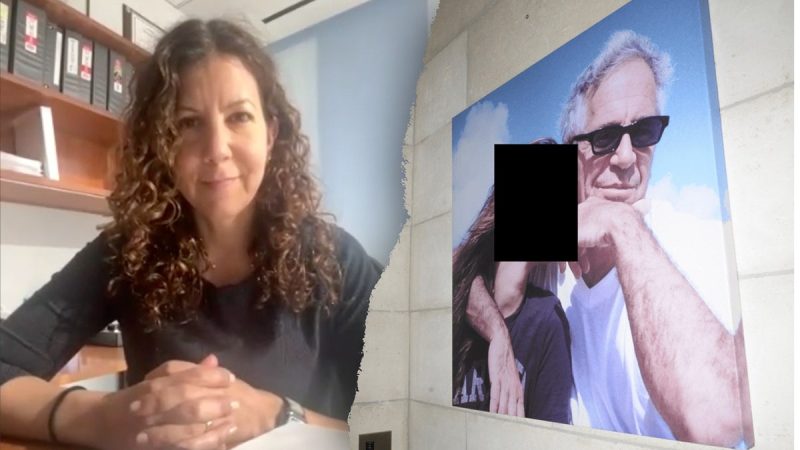
If the Department of Justice (DOJ) wanted to release every Jeffrey Epstein-related document they had on file, they had the firepower to do so, a former assistant U.S. attorney argued.
The DOJ has faced bipartisan criticism over its initial release of heavily redacted Epstein files, which lawmakers argue fell short of the requirements of a recently passed transparency law.
‘The Department of Justice has all the resources in the world, right? I mean if they wanted to put 1,000 lawyers on this to review the documents and get them ready for the production, they could have,’ Sarah Krissoff said.
‘And they don’t appear to have done that,’ she added.
The DOJ did not immediately respond to a request for comment.
Krissoff, who worked as a prosecutor for almost 14 years in the Southern District of New York, described key differences between the Epstein Files and the normal redaction process that attorneys grapple with. Those distinctions make it unclear who would have had final say about the information the DOJ released on Friday as the agency attempted to follow through on the requirements laid out by the Epstein Files Transparency Act.
That law, passed by Congress last month and signed by President Donald Trump on Nov. 19, gave the DOJ just 30 days to make its documentation of Epstein public. It included some exceptions for protecting the identity of victims.
Despite the thousands of files that became publicly available at the end of last week, the DOJ’s first trove sparked criticism from some lawmakers and viewers online outraged that the department hadn’t released them all at once.
‘They are hiding a lot of documents. That would be very helpful in our investigation,’ Rep. Suhas Subramanyam, D-Va., a member of the House Oversight Committee, told CNN on Monday morning.
Although she remains skeptical of the department’s effort, Krissoff noted that what the DOJ’s been asked to do goes far outside the norm for disclosures.
‘There is no real mechanism in the law that the public can just access documents because they’re interested in them, right? In this case, this law is requiring the DOJ to make these things public because so many members of Congress are interested in this issue,’ Krissoff said.
In the cases she’s been a part of, Krissoff said redactions usually came down to meticulous negotiations between the prosecution and the defense. Sometimes deliberations drilled into individual sentences or words.
‘This situation is a little different because it’s unclear, you know, who is still working on this from the original case team. And so, the question is: who at the Department of Justice reviewed these in connection with the redactions here?’ Krissoff said.
She said whole case files rarely get released to the public beyond what shows up in court filings — and what’s there usually serves the narrow purposes of the prosecution. In Epstein’s case, the public’s interests extend beyond any potential conviction of Epstein himself. Epstein died in 2019 while incarcerated on suspicion of sex-trafficking minors. His death, ruled a suicide, cut short his prosecution and left behind questions about whether he facilitated illegal sexual encounters for his vast social network.
Photos released by the DOJ last week lack context and do not, on their own, implicate anyone depicted in them of wrongdoing.
‘The case file often implicates many other people that are not charged in the crimes. So, there may be 15 people charged in a drug ring. You’ve only charged one or two people; you don’t want to impugn those other people who have not been charged by releasing information showing their involvement in this drug ring,’ Krissoff said.
‘The last thing you want to do is put that neighbor’s information or his name or even his statement out there,’ Krissoff said.
She believes that there’s a danger in forcing disclosure of an ongoing case simply because of great public interest and setting a precedent for that to become a regular occurrence. In her view, it could disrupt ongoing investigations of the future that draw intense public interest.
The DOJ said it will continue to release its documents on Epstein on a rolling basis. It has not announced when they expect to continue their release of the Epstein files.